Powell River Top General Contractor for Residential Projects
Powell River Top General Contractor for Residential Projects
Blog Article
General Contractor: Your Recommended Expert for Home Tasks
A general contractor fulfills an crucial role in home projects. They manage different elements of construction, ensuring that all operations proceed without issues. Their knowledge in construction regulations and regulations allows them to navigate the complexities of licenses and assessments. This expert serves as a vital link between homeowners and specialized tradespeople. However, many homeowners stay uncertain about the full scope of their offerings. Understanding these details can significantly impact the success of any remodeling endeavor.
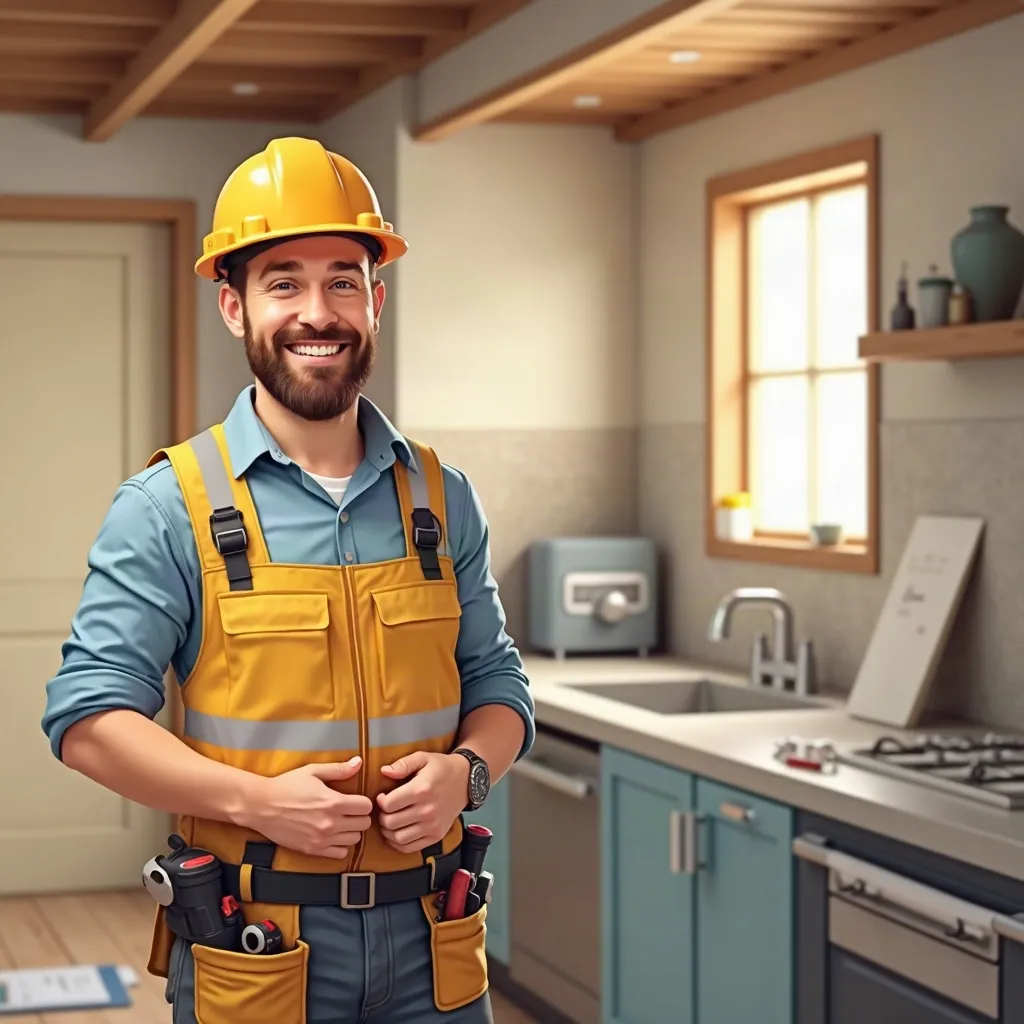
Which Duties Do a General Contractor Perform?
A general contractor coordinates the assorted components of a development project, making sure that processes proceed efficiently from start to finish. They perform as the primary point of contact, facilitating exchanges between project principals, independent contractors, and material sources. This role involves designing the project timeline, mobilizing labor, and ensuring compliance with state and local building regulations and codes.
General contractors are in charge of obtaining necessary permits and scheduling inspections, which are essential to maintaining safety and quality standards. They also manage budgeting, sourcing materials, and managing on-site activities to mitigate any potential delays or issues. In addition, they supervise subcontractors, ensuring that each phase of construction conforms to project specifications and timelines. Overall, a general contractor's expertise and organizational skills are essential to delivering a successful construction project, turning a client's vision into reality while managing multiple duties and obligations.
Advantages of Utilizing a General Contractor for Home Remodeling
Contracting a professional builder for home renovations delivers numerous advantages that can greatly boost the quality and efficiency of the project. Professional contractors bring specialized knowledge in project management, making sure that timelines are met and resources are allocated effectively. Their strong relationships with specialized contractors can generate superior pricing and excellent craftsmanship, which finally helps property owners regarding both cost and time.
Also, general contractors handle the intricate details of authorizations and assessments, minimizing potential legal issues. They also provide a single point of contact, easing communication and coordination among various trades. This streamlining mitigates the potential for misunderstandings and delays.
Additionally, their expertise lets them to identify potential challenges, enabling quick fixes to stay on track the project on schedule. By bringing on a general contractor, homeowners can focus on their vision while obtaining peace of mind, assured that a professional is handling every aspect of the renovation.
Clearing Up Myths Regarding General Contractors
While many read here property owners may hold misconceptions about contracting professionals, understanding the realities can lead to more informed decisions. One prevalent myth is that hiring a contractor is unnecessary for small projects; however, their expertise can streamline even small-scale renovations, ensuring adherence with local codes. Another common belief is that contractors are merely middlemen, but they often possess broad knowledge in multiple areas, enabling them to manage projects efficiently. Additionally, some clients think that working with a contractor will considerably inflate costs. In truth, a skilled general contractor can often secure better pricing for materials and labor due to established relationships with vendors and subcontractors. Finally, many believe that contractors are inflexible, but trusted contractors prioritize client communication and collaborate closely to meet individual needs. Dispelled myths can empower clients to leverage the true value of contractors in achieving effective home projects.
Finding the Perfect General Contractor?
How can homeowners guarantee they select the ideal general contractor for their projects? The process starts with comprehensive investigation. Property owners should seek suggestions from friends, family, or online reviews to identify potential candidates. Once a list is compiled, verifying credentials, such as licensing, insurance, and bonding, is vital to verify credibility.
Next, homeowners should request and review portfolios of past projects, focusing on assignments of comparable size. Setting up interviews allows homeowners to assess fit, discussing timelines, budgets, and expectations. It's also recommended to obtain multiple quotes for evaluation, providing a better grasp of expenses.
Reviewing references offers understanding of a contractor's dependability and expertise. Ultimately, trusting one's instincts is essential; an first consultation can reveal much about a contractor's way of communicating and methodology. By adhering to these guidelines, homeowners can markedly increase their likelihood of picking a general contractor who matches their project needs and vision.
Proven Communication Methods Alongside Your General Contractor
Which methods can homeowners implement to ensure clear exchanges with their general contractor? Establishing transparent discussion from the outset is necessary. Homeowners should plainly communicate their needs, project goals, and budget constraints during opening conversations. Regular updates can be enabled through scheduled meetings, making certain that both parties remain in sync throughout the project.
Documented materials, including emails or project logs, serves to strengthen verbal agreements and minimizes miscommunications. Homeowners should also encourage open dialogue by soliciting feedback and questions from the contractor, fostering a collaborative environment.
Moreover, utilizing technology, such as project management apps, can improve dialogue by providing a unified platform for exchanging updates, timelines, and changes. Finally, being courteous and approachable can enhance connection, allowing it easier for the contractor to communicate challenges or suggestions successfully. By employing these strategies, homeowners can develop a productive and open relationship with their general contractor.
What to Anticipate When Your Project Launches?
Once the initiative kicks off, homeowners can expect a flurry of operations on-site. The prime contractor will direct crews of qualified professionals, including electricians, plumbers, and carpenters, who will start their duties per the predetermined plan. Homeowners may see heavy machinery and materials being delivered, establishing a energetic environment.
Communication stays vital during this stage. The contractor will provide updates on advancement and address any concerns that occur. Homeowners should prepare for potential disruptions, such as noise and restricted access to certain areas of the home.
Safety protocols will be in place to protect both workers and residents, ensuring a secure environment. Additionally, homeowners may be encouraged to copyright flexibility, as unforeseen issues can arise, prompting adjustments to the original plan. Overall, this initial phase sets the stage for the successful completion of the project, and active engagement is essential.
Fundamental Questions for Your Overall Contractor Understanding?
Deciding which questions to ask when wrapping up a general contractor agreement is critical for assuring a smooth project. Homeowners should check about the contractor's credentials and coverage to verify their credentials and protection against risks. Understanding the project schedule and goals is key; therefore, asking about expected completion dates helps align expectations.
It is also important to establish financial agreements, such as upfront payments and payment timelines, to prevent confusion. Property owners should ask for a detailed breakdown of costs, including supplies and labor, to guarantee clarity. Furthermore, discussing the procedure for managing modifications or unforeseen issues can prevent conflicts down the road.
Finally, homeowners must gather details about the credentials of subcontractors, as well as the contractor's communication strategy throughout the project. By exploring these topics, property owners can create a strong partnership with their general contractor, ultimately resulting in a successful home renovation.
Common Inquiries Asked Often
How Do General Contractors Charge for Their Services?
Contractors generally levy charges via flat fees, time-based rates, or a percentage of the total project cost. Their rates may also include materials, labor, and overhead, contingent on the project's complexity and scope.
Can a General Contractor Give Help With Requirements and Examinations?
Yes, a construction contractor can help with securing permits and managing inspections. They typically handle local regulations and guarantee compliance, streamlining the process for homeowners while enabling necessary approvals throughout the construction project.
What Qualifications Should I Find in a General Contractor?
When choosing a general contractor, one should evaluate credentials such as proper licensing, insurance, expertise with similar work, strong references, and strong communication abilities, ensuring they have the necessary expertise to oversee the project successfully.
What is the Timeline of a Typical Home Renovation Undertaking?
A ordinary home remodeling job can span anywhere from a few weeks to several months, contingent upon the scope, complexity, and size of the project, as well as the supply of materials and labor.
What Happens if My Assignment Exceeds Cost Allowance?
Should a project exceed the budget, the builder usually communicates the reasons and options with the property owner. Modifications may include scaling back, seeking additional funding, or revising the project scope to align with financial limits.
Report this page